
Nepal Votes Tomorrow: Parties To Contenders For PM Post In First Poll After Gen-Z Protests Explained
Curated By :
Last Updated:March 04, 2026, 18:29 IST
Nepal elections on March 5: With more than 18.9 million eligible voters set to vote, a look at the top parties, contenders for the PM post and how they are wooing the Gen-Z voters
resetRapid ReadRapid ReadSummarized by AI.+Nepal holds elections March 5 after Gen-Z protests ousted OliKey PM contenders: Shah, Thapa, and former PM OliOver 18.9 million voters to elect 275 Parliament members More Rapid Read Like this summary?Share Your Feedback
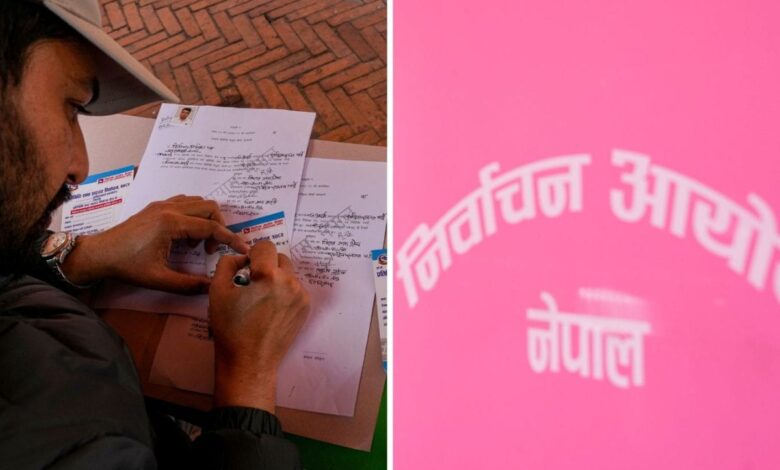
Nepal is set to hold the House of Representatives elections on March 5, the first since last year’s deadly Gen-Z protests that toppled the K P Sharma Oli-led coalition government.
More than 18.9 million eligible voters will exercise their voting rights on Thursday from 7 am to 5 pm. The government has announced a three-day holiday starting from March 4 to encourage participation of voters.
Recommended Stories
- 'No To War': Spanish PM Defies Trump's Trade Threat Over Iran, Gets Macron's Backing
- Ladakh's Shia Muslims Hold Protests, Mourning Rallies After Khamenei's Killing In Iran Conflict
- Over 1,300 Railway Stations Across India To Get Facelift, Most In UP | Check List
- Rashmika Mandanna’s Mangalsutra Was Kept A Secret From Vijay Deverakonda Until The Ceremony. Here’s Why
THE STAGE IS SET
Around 41.15 million ballot papers, both for first past the post (FPTP) or direct election and proportionate voting system, have reached all 165 constituencies in all 77 districts across the country, said Nepal’s Election Commission (EC) spokesperson Narayan Prasad Bhattarai had said last week.
The EC said voters’ education programmes were conducted in all 753 local level bodies across the country from February 15 to March 1. The EC has already instructed political parties and candidates to make their election campaign in a “modest and civilised manner".
During the HoR election, altogether 275 Parliament members, 165 under direct voting and 110 under proportionate voting system, will be elected. The government has arranged full-proof security under the coordination of Nepal Army by deploying more than 330,000 security personnel.
MAJOR POLITICAL PARTIES IN FRAY
The 2026 election is largely a three-way contest between the established “old guard" and a surging new movement:
Rastriya Swatantra Party (RSP): A centrist, reformist party formed in 2022 that has become the “party to beat" after aligning with the youth-led protest agenda.
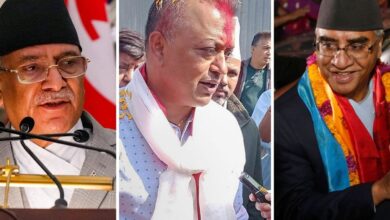
Nepali Congress (NC): The country’s oldest party, now led by Gagan Thapa (49), who positions himself as the face of generational change within the establishment.
CPN (UML): Led by former PM K.P. Sharma Oli (74), this communist party maintains a deep traditional voter base but faces intense scrutiny for its role in the 2025 crackdown.
Other Players: The Nepali Communist Party (NCP) (a newly unified bloc of former Maoist and socialist groups led by Prachanda) and the Rastriya Prajatantra Party (RPP), which advocates for the restoration of the monarchy.
FRONT-RUNNERS FOR THE POST OF PRIME MINISTER
Balendra “Balen" Shah (RSP): The 35-year-old rapper and former Mayor of Kathmandu is widely considered the front-runner. He is challenging K.P. Sharma Oli directly in the Jhapa-5 constituency.
Gagan Thapa (Nepali Congress): A popular former youth leader who was elected party president in January 2026 to modernise the party’s image.
K.P. Sharma Oli (CPN-UML): Despite being ousted by protests, the veteran leader is seeking a comeback, framing the election as a choice for stability.
Current Interim PM: Sushila Karki, the first female Chief Justice and first female Prime Minister of Nepal, is currently serving in a caretaker capacity and is not contesting the election.
THE ‘GEN Z’ PROTEST OF SEPTEMBER 2025
The uprising, often called the ‘Gen Z Revolution’, was a series of youth-led demonstrations from September 8–13, 2025 that led to the total collapse of the government.
The immediate spark was a government ban on 26 social media platforms (including TikTok and WhatsApp). This ignited long-simmering anger over rampant corruption, high youth unemployment, and the flaunting of wealth by “nepo kids" (children of political elites) on those same platforms.
The protests turned into a ‘Day of Rage’ on September 8 when security forces used live ammunition, killing at least 19 people on the first day. Total casualties reached at least 76 deaths and over 2,000 injuries.
Protesters stormed and burned several government buildings, including the Federal Parliament and the Prime Minister’s residence. This forced the resignation of PM K.P. Sharma Oli on September 9, 2025.
In a unique move, Gen Z leaders used a Discord server with over 100,000 members to hold a “mini-election" to nominate Sushila Karki as their preferred interim leader, a choice the President and Army eventually accepted.
HOW ARE THE KEY PARTIES WOOING GEN-Z VOTERS?
Nepal’s political parties are aggressively targeting the youth — particularly the 800,000 first-time voters who spearheaded the September 2025 protests. Strategies range from direct financial incentives and digital promises to structural reforms aimed at ending the “old age club" of veteran leaders. The “Gen Z movement" has forced even traditional parties to “repack and resell" themselves using youth-friendly language.
After its previous government banned TikTok and other social media, the CPN-UML is now offering 10 GB of free monthly mobile data for those aged 18–28. The party has pledged 1 million jobs in five years.
The Rastriya Swatantra Party (RSP) is pledging 1.2 million domestic jobs over five years to curb youth migration abroad. The Nepali Congress (NC) is promising 1.5 million jobs (300,000 annually) and a “sustainable economy".
Generational Leadership Shift
The Nepali Congress (NC) is now led by Gagan Thapa, 49, who actively campaigns to end the era of “revolving veteran leaders". The RSP’s has fielded popular youth icons like rapper-turned-politician Balen Shah and high-profile technocrats like Kulman Ghising.
Unique methods
Parties are also using innovative methods to appeal to the broader electorate’s demand for accountability.
The RSP has introduced a “Citizen Contract"—a legally-styled document with thumbprints and “penalty clauses" that allow voters to “punish" them at the next election if specific targets aren’t met.
The RSP manifesto calls for strict term limits: one term for President, two for Prime Minister, and three for Ministers.
Several parties, including the RSP and the newly formed Gen Z-led groups, are demanding a directly elected executive system and voting rights for Nepalis living abroad.
Parties across the spectrum, including the interim government, are prioritizing total digitization of government services to reduce the corruption that triggered the 2025 uprising. Independent candidates and small parties like Ujyalo Nepal are focusing on specific technocratic goals, such as massive hydroelectric expansion to drive energy independence.
With PTI Inputs
tags :Nepal electionsnews18 specialsClick here to add News18 as your preferred news source on Google. Check Iran Israel War News Live, Dubai News Today And Lunar Eclipse 2026 In India Updates.
Stay updated with the latest news updates along with key india news and world news. Explore viral news, politics, city news, explainers, and expert opinions on News18. Join the fun, play games on News18. Download the News18 App to stay updated!view commentsLocation : New Delhi, India, IndiaFirst Published:March 04, 2026, 18:21 ISTNews explainers Nepal Votes Tomorrow: Parties To Contenders For PM Post In First Poll After Gen-Z Protests ExplainedDisclaimer: Comments reflect users’ views, not News18’s. Please keep discussions respectful and constructive. Abusive, defamatory, or illegal comments will be removed. News18 may disable any comment at its discretion. By posting, you agree to our Terms of Use and Privacy Policy.Loading comments…Read More