
Like Iran, US Had Led Regime Change In Iraq And Libya Too: Was It Effective? Explained
Curated By :
Last Updated:March 02, 2026, 16:30 IST
US-Israel-Iran war: What happened in Iraq and Libya after the US ensured a regime change there by toppling Saddam Hussein and Muammar Gaddafi? News18 explains
resetRapid ReadRapid ReadSummarized by AI.+US-led regime changes in Iraq (2003) and Libya (2011) swiftly removed dictators but failed to bring lasting stability. Iraq remains fragile with corruption and unrest; Libya is divided and unstable, suffering economic decline and ongoing conflict as of 2026. More Rapid Read Like this summary?Share Your Feedback
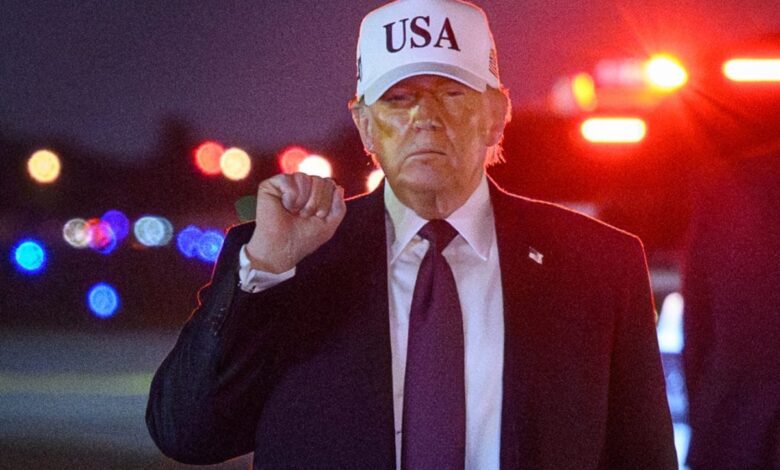
United States (US) and Israel, through their joint pre-emptive strikes in Iran on Saturday, eliminated Tehran’s Supreme Leader Ayatollah Ali Khamenei, thus shaking the regime. US President Donald Trump labeled the leader as “one of the most evil people in history" and stated that his death provides the “single greatest chance" for the Iranian people to take back their country.
Does it really? What happened in Iraq and Libya after the US ensured a regime change there? News18 explains.
Recommended Stories
- Anush Agarwalla impresses at Belgium Dressage Events
- JK: Partial strike against Khamenei's killing observed in parts of Chenab valley
- Anil Kapoor Opens Up About His First Paycheck On Akshay Kumar’s ‘Wheel Of Fortune’
- The Kerala Story 2 Earns Rs 10 Crore On First Weekend Despite Slow Start
In both Iraq and Libya, the US-led regime change achieved the immediate tactical goal of removing long-standing dictators but failed to deliver the intended long-term stability, democracy, or economic prosperity.
ALSO READ | Iran Is Attacking Israel, US In ‘Drizzles’ Unlike Last Year’s 12-Day War: The Strategic Shift Explained
Both operations swiftly toppled entrenched leaders — Saddam Hussein in 2003 and Muammar Gaddafi in 2011 — and dismantled their security apparatuses. Post-intervention, both nations suffered from governance vacuums, prolonged civil wars, and the rise of extremist groups like ISIS, say experts.
As of 2026, Iraq remains a fragile state struggling with corruption and “in-betweenness", while Libya is a fractured failed state divided between rival governments, The Statesman reported.
2003: OPERATION IRAQI FREEDOM
The U.S. launched a full-scale ground invasion to topple Saddam Hussein, based on claims regarding weapons of mass destruction (WMD) and ties to terrorism.
A “shock and awe" bombing campaign followed by a massive ground invasion by U.S. and coalition forces.
Baghdad fell within weeks. Saddam Hussein was captured in December 2003, tried by an Iraqi court, and executed in 2006.
2011: OPERATION UNIFIED PROTECTOR
The intervention in Libya was characterised by “leading from behind", focusing on airpower and support for local rebels rather than a boots-on-the-ground invasion.
The U.S. and NATO enforced a No-Fly Zone and conducted airstrikes to protect civilians from Gaddafi’s forces during the Arab Spring uprisings. NATO strikes crippled Gaddafi’s military, allowing rebel forces to take Tripoli. Gaddafi was captured and killed by rebels in Sirte in October 2011.
#IsraelIranConflict | Iran targets Aramco’s Ras Tanura oil refining facility in Saudi Arabia“It can mean two things – either someone is out of control or new Iran leadership has decided that there is nothing to negotiate": Military historian Tom Cooper decodes @AnchorAnandN… pic.twitter.com/JRoOwqbOcX
— News18 (@CNNnews18) March 2, 2026
IRAQ: A ‘FRAGILE’ RECOVERY
The US-imposed “Muhasasa" system (sectarian power-sharing) has led to chronic corruption, ineffective governance, and a lack of accountability, according to news reports.
ALSO READ | Iran-Israel War: Tehran’s Fattah-2 Same As Pakistan’s That India Shot Down In Op Sindoor? Explained
While major operations against ISIS ended in 2017, the country remains unstable due to the influence of independent militias (Popular Mobilization Forces) and continued regional interference from Iran and Turkey.
Iraq is heavily dependent on oil (90% of revenue), leaving it vulnerable to price fluctuations. Youth unemployment exceeds 40%, driving persistent mass protests.
#BreakingNews | Israel Air Force and Navy intercepts Iranian dronesTom Cooper, Military Historian @RShivshankar | #Iran #Israel #Khamenei pic.twitter.com/aRwEBA4Nme
— News18 (@CNNnews18) March 2, 2026
LIBYA: A ‘FAILED STATE’ LEGACY
The NATO intervention lacked a post-war plan, leading to a complete state collapse that persists over a decade later.
ALSO READ | Iran To Israel In 12 Minutes? The Trajectory And Power Of Ballistic Missiles Explained
As of early 2026, the country remains split between the internationally recognised Government of National Unity in Tripoli and the rival Government of National Stability in the east.
Libya’s GDP per capita has halved between 2010 and 2021. Political deadlock over oil wealth continues to cause economic deterioration and human rights abuses against migrants and political opponents, said reports.
With Agency inputs
tags :israel iranMuammar Gaddafinews18 specialsSaddam Husseinus iran warClick here to add News18 as your preferred news source on Google. Check Iran Israel War News Today Live Updates.
Stay updated with the latest news updates along with key india news and world news. Explore viral news, politics, city news, explainers, and expert opinions on News18. Join the fun, play games on News18. Download the News18 App to stay updated!view commentsLocation : New Delhi, India, IndiaFirst Published:March 02, 2026, 16:30 ISTNews explainers Like Iran, US Had Led Regime Change In Iraq And Libya Too: Was It Effective? ExplainedDisclaimer: Comments reflect users’ views, not News18’s. Please keep discussions respectful and constructive. Abusive, defamatory, or illegal comments will be removed. News18 may disable any comment at its discretion. By posting, you agree to our Terms of Use and Privacy Policy.Loading comments…Read More